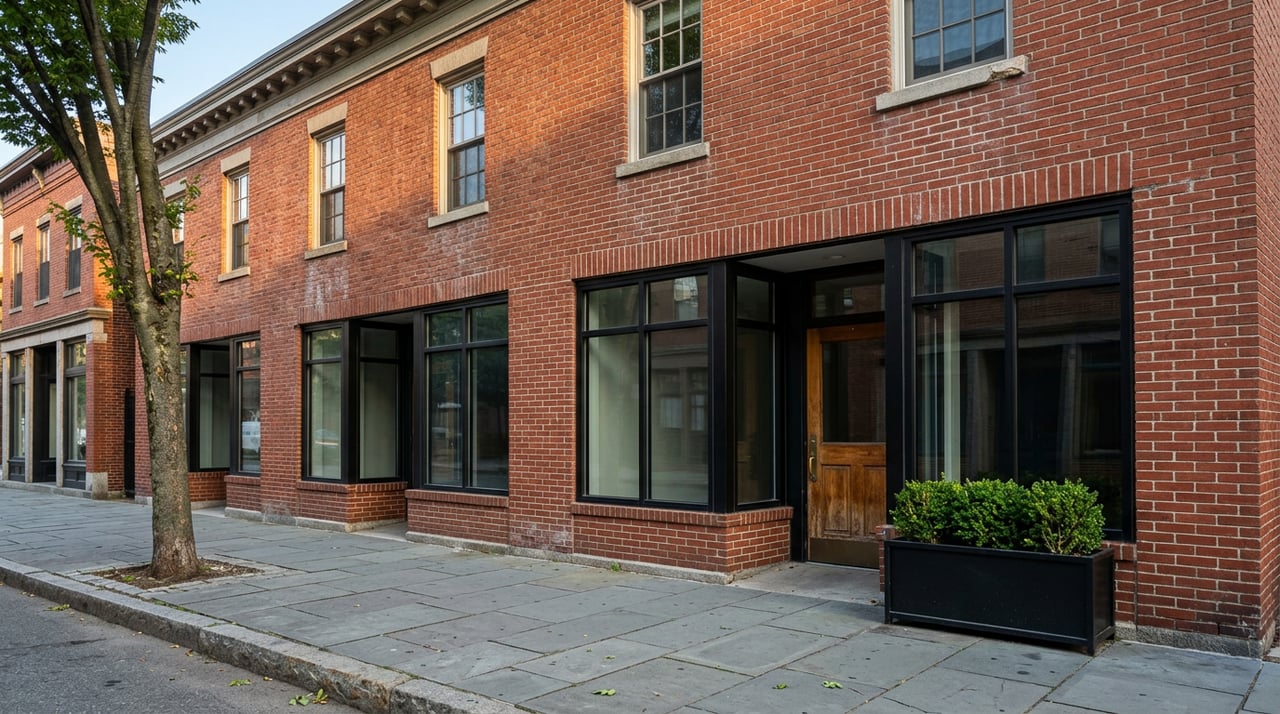
Walk down Irving Street right now and you'll pass two things that don't usually belong in the same three blocks: orange construction barrels and a save-the-date sign for a fall arts festival. One is Union County tearing up pavement. The other is the city inviting you back to the same stretch of road in six weeks. Most towns pick a lane. Rahway is doing both at once, on the same street, in the same season.
That's the part worth understanding if you already live here. This isn't a random collection of updates. It's one downtown, mid-transformation, and the friction and the payoff are sitting on top of each other right now.
The Street Doing Two Jobs at Once
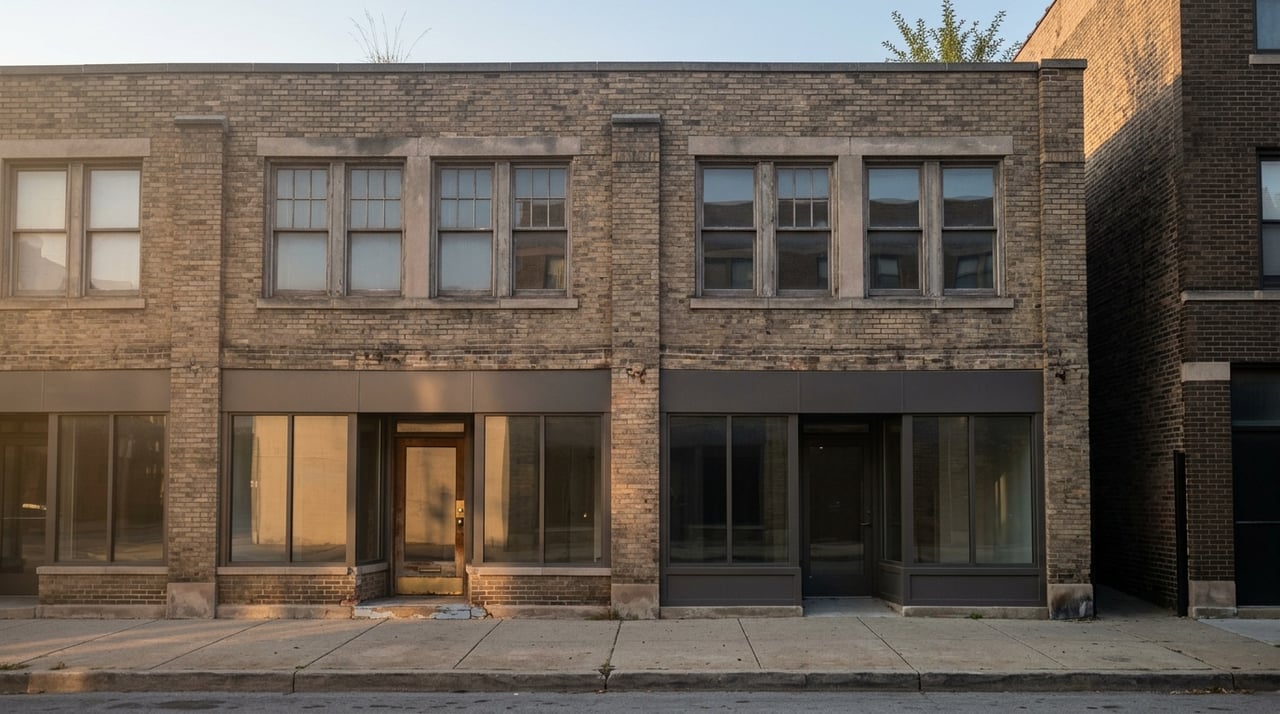
Union County's reconstruction of the Irving Street Bridge, the span running from Central Avenue to Seminary Avenue, has been underway for a while, and the city has been explicit about one thing: every business along Irving Street and West Main Street is staying open through construction. That's not a small detail if you've rerouted your commute or started avoiding the block out of habit. The shops, restaurants, and bars along that stretch are open. The disruption is the road surface, not the storefronts.
If you've been steering clear of downtown because you assumed things were closed, this is your cue to go back.
What the City Chose Not to Build
The bigger news didn't come from a construction crew. It came from the mayor's desk, at this year's State of the City address delivered at the Union County Performing Arts Center. The centerpiece announcement was a new public space: the James "Jim" Kennedy Amphitheater, named for the former mayor credited with starting Rahway's original push toward arts-driven, transit-oriented redevelopment. The amphitheater will sit near Hamilton Stage and is designed, in the city's own words, as a "crown jewel" for the Arts District.
Here's the detail that actually tells you something about how this town thinks about that land: the site had a traditional apartment proposal on the table, and the city turned it down in favor of the amphitheater instead. What's coming to that parcel now is a public performance space with an art walk and an eco-friendly rain garden, not another residential building. Union County's Board of Commissioners helped fund the land acquisition.
You don't have to read too much into zoning decisions to notice the pattern. When Rahway had a choice about what to do with a piece of downtown, it chose culture over density. That's not a subtle signal about what this city wants its center to feel like.
"We are not just building more; we are building better."
That's Mayor Raymond Giacobbe, from the same address, and it's a fair summary of the amphitheater decision specifically.
Three Stages, One Walk
The practical upshot for anyone who actually spends Friday nights downtown: the amphitheater project is meant to physically connect Hamilton Stage, the Union County Performing Arts Center, and The Gallery Space into one continuous creative corridor. Right now those are three separate destinations you drive or walk to individually. UCPAC itself has been the anchor since it was built in 1928 and restored in the 1980s, hosting film, dance, and theater that pulls audiences in from well outside Rahway. Once the corridor connects, a single evening downtown could mean moving between a gallery opening, a stage performance, and an outdoor amphitheater set without ever getting back in your car.
That's a different kind of downtown than "three venues that happen to be near each other." It's one you can actually walk end to end.
What's Already Working While You Wait
None of this requires patience, though. The corridor is a construction-phase project, but the reasons people already treat downtown Rahway as a destination are open tonight.
Start with The Paseo, the city's converted alley that's now a walkway with movable tables and chairs and a mural of butterfly wings that's become one of downtown's most photographed corners. It costs nothing to sit there for twenty minutes.
The gallery scene that the amphitheater corridor is meant to formalize already exists in pieces: Atelier Rosal, The Gallery Space, Times of Grace, and Tabula Rasa are all active now, each with its own rotating exhibitions, none of them waiting on a groundbreaking.
And the food and drink lineup has kept expanding well past the handful of institutions that used to define downtown. Il Forno A Legna and Monchy's Rahway joined longtime staples like Nancy's Townhouse, Luciano's Ristorante, The Waiting Room, and Cubanu, according to a profile of the district from Great Places NJ. More recently, current listings for downtown dining name Irving Inn Social, Quilla by Sabor Peruano, Agapi, Fork, and Flynn's Pub House among the spots locals are still choosing on a given weeknight. Wet Ticket, the city's own downtown brewery, draws people from across the tri-state area on its own. For coffee, The Coffee Box and Melao Cafe & Creamery cover both ends of the day.
If you're the type who shops instead of scrolls, RV carries vintage sneakers and clothing, Travel Skate Shop covers boards and gear, Sticks Cigars stocks a global selection, and Gilded Lillie is the spot for antiques and odd finds. None of this is new information if you already live three blocks from any of it. What might be new is realizing how much of it clusters within an actual walking loop, the same loop the amphitheater project is trying to formalize.
Two Dates Worth Actually Keeping
Two events on the calendar are worth planning around specifically, because they're both dated and both tied to the same downtown corridor.
- ArtsFest, Saturday, September 19, 2026. The city has already posted the save-the-date, and it lands on Irving Street, the same street currently carrying the bridge project. Last year's edition drew more than 60 artists across two live performance areas, with free parking available at Hamilton Stage, the Broad Street Lot, The Gallery Space, and the municipal lots, according to the event listing from the city's tourism site. If this year follows the same footprint, the festival and the construction project will be sharing the same address at the same time, which is worth knowing before you plan your route.
- Taste of Rahway, now two decades running, still pulls in roughly 1,500 people annually for a single afternoon of food from vendors across the state. Separately, the city's headline one-day arts event, sometimes run under the Culture Crawl name, has drawn crowds approaching 5,000 in past years, according to the same Great Places NJ profile. Both numbers say the same thing in different ways: this is a downtown that already knows how to fill its own streets before a single ribbon gets cut on anything new.
The Thing to Actually Notice
None of these pieces are separate stories. The bridge work, the amphitheater land decision, the gallery corridor, and the September festival are one continuous project, playing out on the same handful of blocks, at the same time. The city had a choice about what that Hamilton Stage parcel would become and picked a public stage over more housing. That's not a small decision for a downtown this size, and it's the clearest evidence yet of what direction Rahway is actually building toward.
You don't need to wait for a ribbon-cutting to see it. Walk Irving Street this week. The barrels and the banners are both already there.
If you're curious about what any of this means for property values or timing in Rahway specifically, or you just want a second set of local eyes on the neighborhood, the team at Cooper McKelvey Realty knows these blocks. Let's Connect.